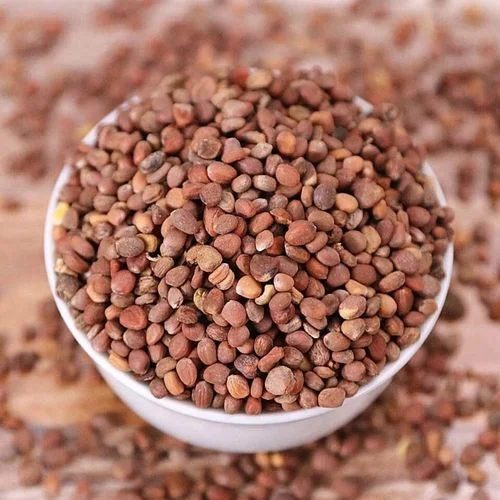

The first time I used 莱菔子 seriously, I got it completely wrong. That’s when I finally understood why Radish Seed isn’t just another ingredient.
The Kitchen Is the Pharmacy
The most honest way to use Radish Seed is in food. Not supplements, not capsules—real cooking. In Chinese households, 莱菔子 has been used for generations because it works with the body rather than against it. The Neutral, Pungent, Sweet properties make it particularly effective for Spleen, Stomach, Lung related concerns.
When TCM Practitioners Actually Prescribe It
The classic presentation for Radish Seed is someone whose digestion feels sluggish, or whose energy patterns are off. TCM texts describe 莱菔子 as entering the Spleen, Stomach, Lung, where it does its primary work. This isn’t superstition—it’s pattern recognition refined over centuries.
What the Research Actually Says
Modern research on Raphanus sativus has identified several key compounds that validate traditional uses. Studies show it has measurable effects on promoting digestion, though traditional preparations often outperform standardized extracts. The bioavailability question matters: whole herb preparations typically work better than isolated compounds.
The Counterfeit Problem (And Why It Matters)
Here’s something that doesn’t get talked about enough. The quality variation in Radish Seed is extreme. Some products on the market are barely active. Look for: (1) proper species identification, (2) appropriate growing conditions, (3) correct processing method. When in doubt, smell it first—aroma indicates potency.
Quick Reference
- Culinary dose: 3-10g in cooking
- Medicinal dose: As prescribed by a qualified practitioner
- Best for: Spleen, Stomach, Lung patterns
- Avoid if: You have heat-dominant conditions
References
- 《中国药典》2020年版,莱菔子项下质量标准
- Bensky D, Clavey S, Stoger E. Chinese Materia Medica. 3rd ed. Eastland Press, 2004.